

Places to explore in…
Mauritius

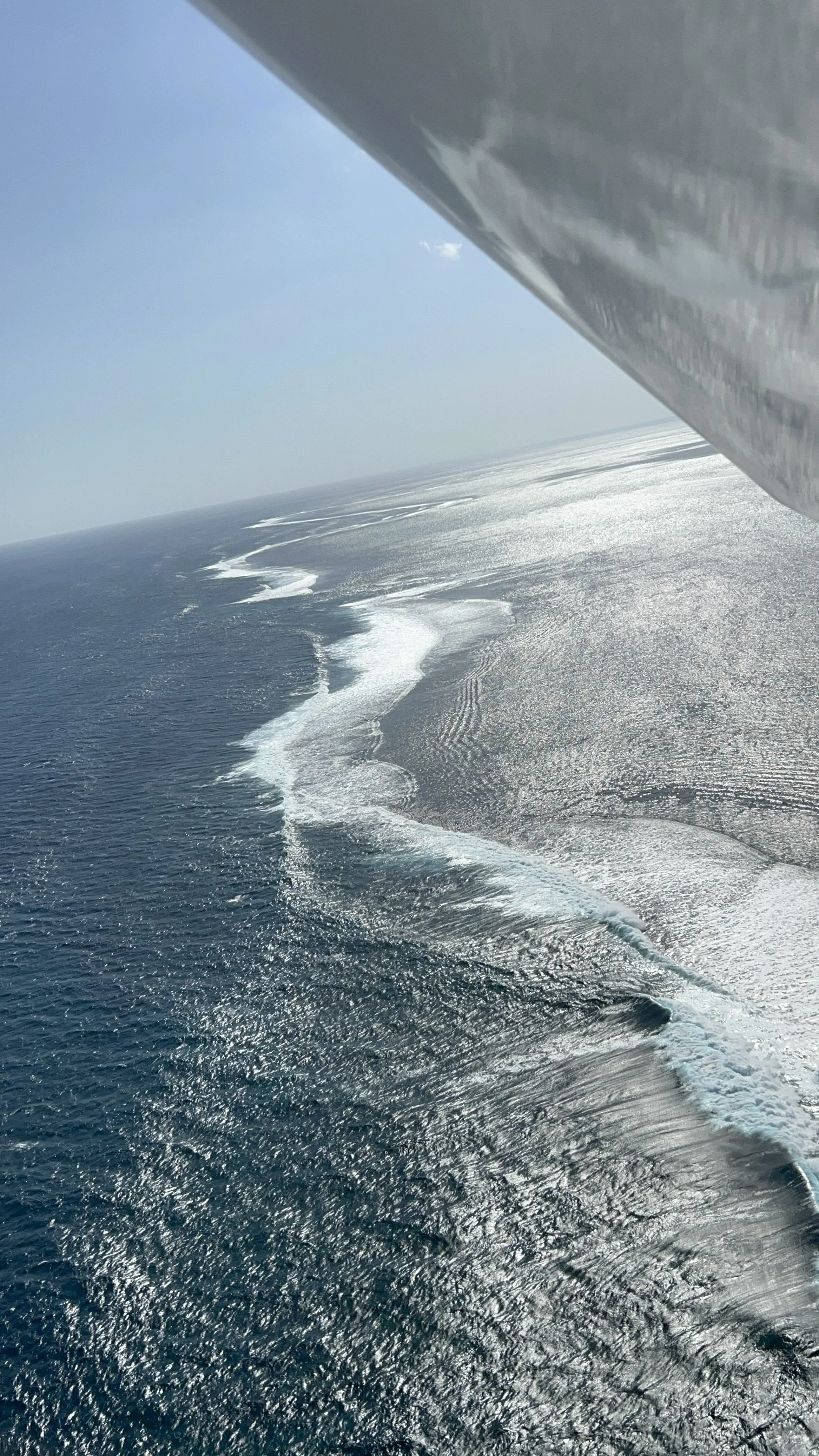

The Underwater Waterfall
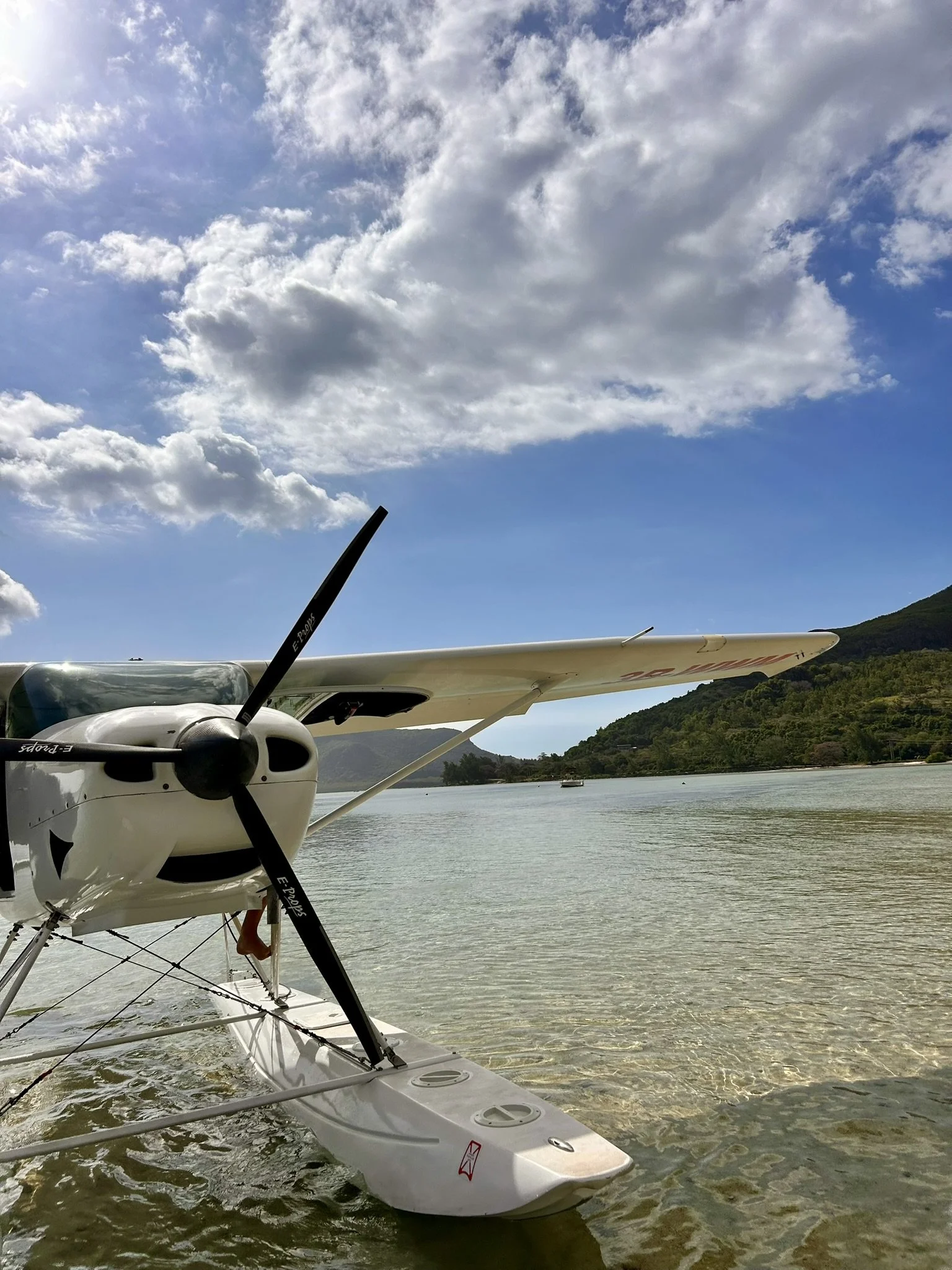
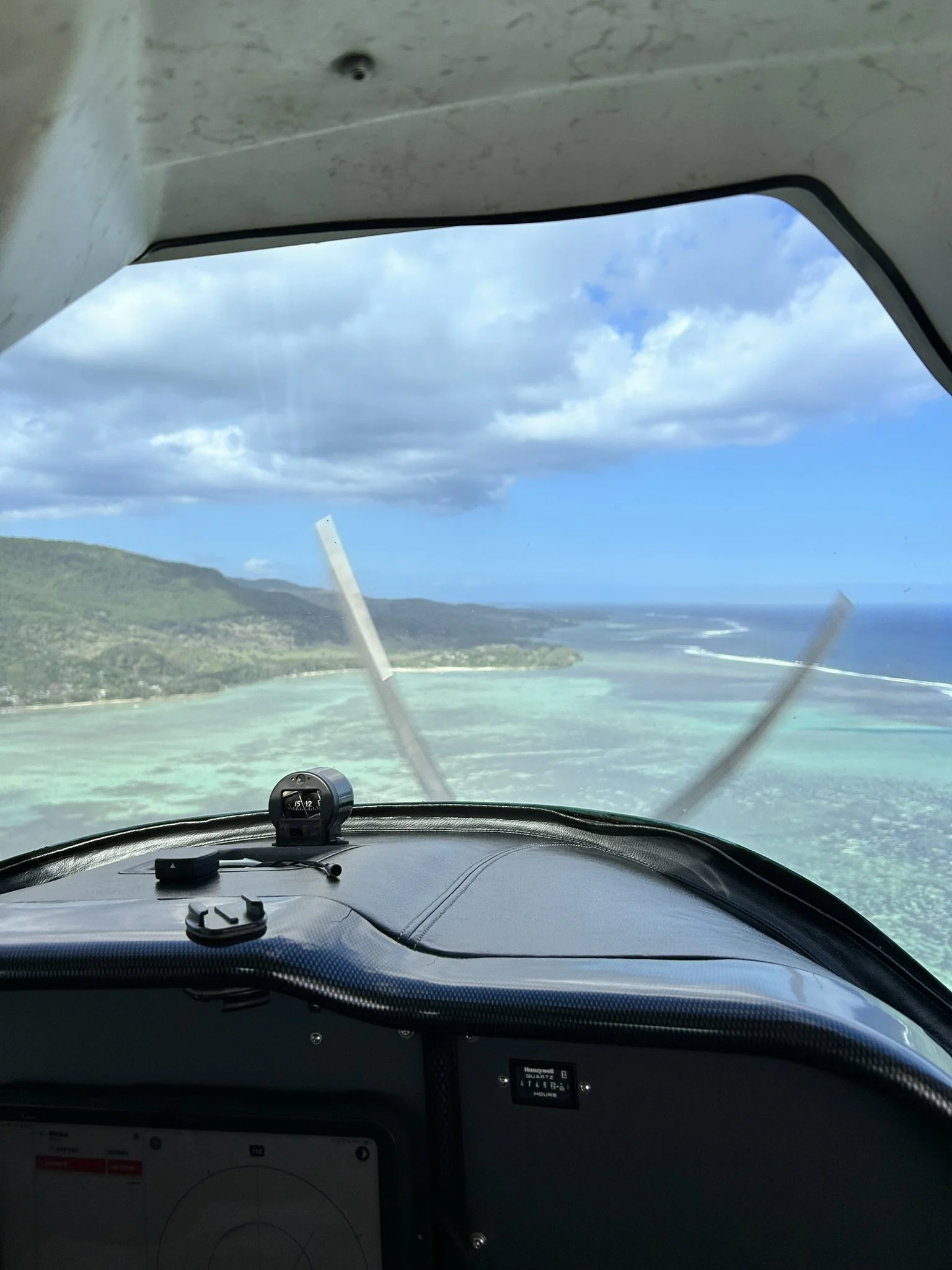
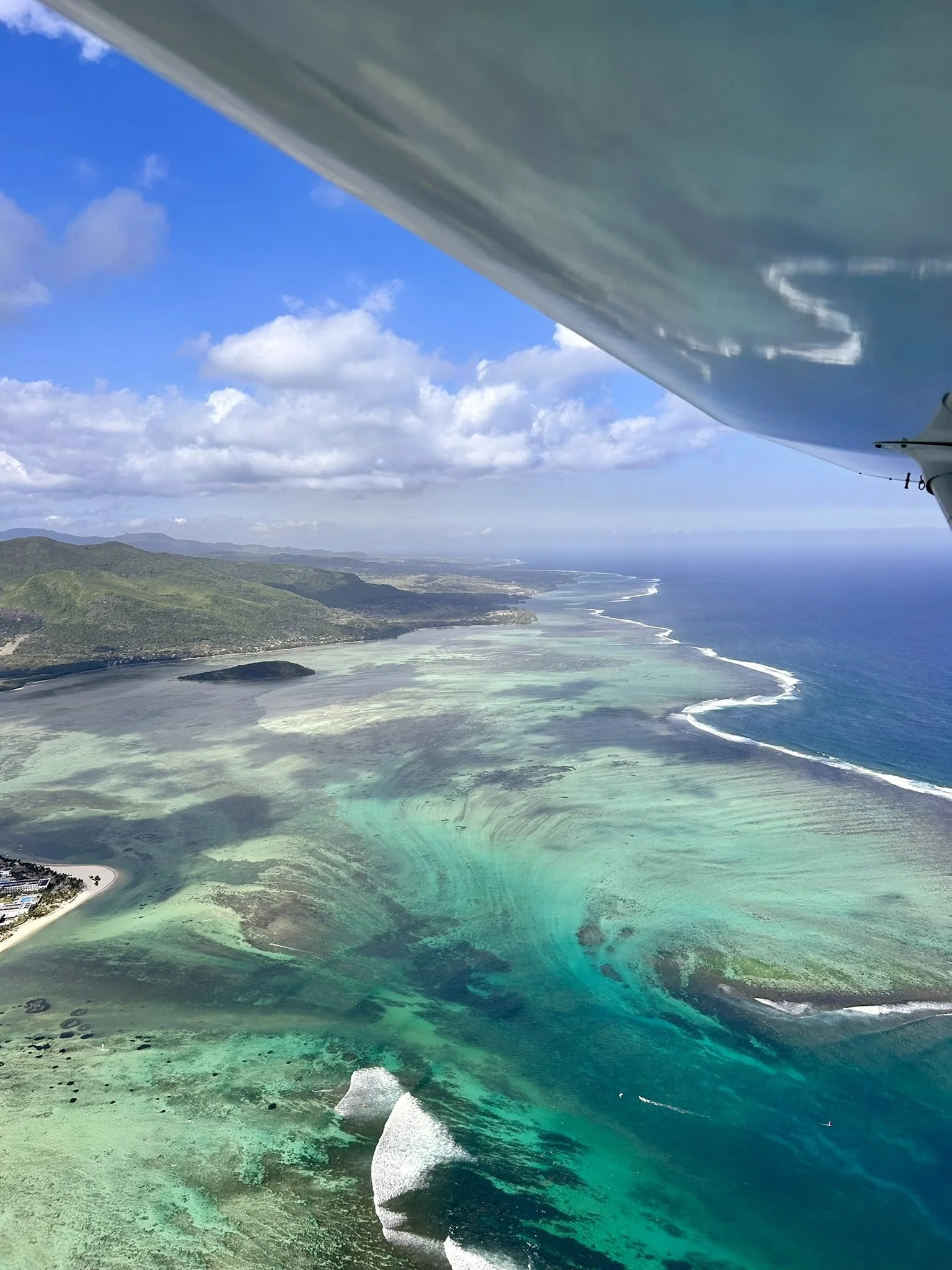
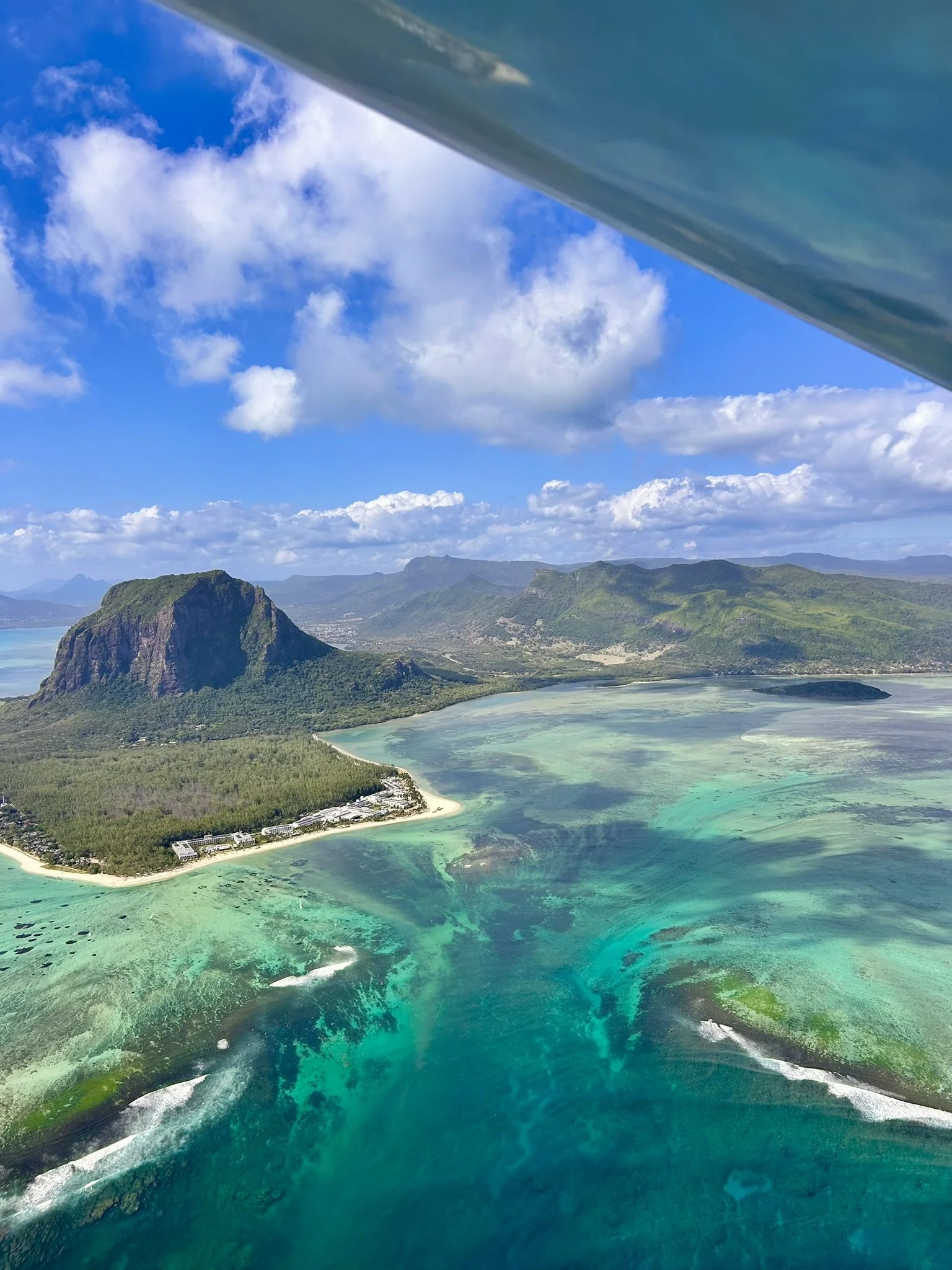
For an unforgettable aerial adventure, the Lagoon Flight seaplane tour takes travelers over Mauritius’ southern coast to witness the famous “underwater waterfall” illusion near Le Morne. From the sky, shifting sand and silt on the ocean floor create the visual effect of a waterfall plunging deep beneath the sea surface. It’s one of the most iconic images of Mauritius and is only fully appreciable from the air.
During the flight, passengers glide over lagoons, reefs, forests, mountains, and rugged coastline—a perspective that highlights the island’s dramatic natural contrasts.
Flic en Flac
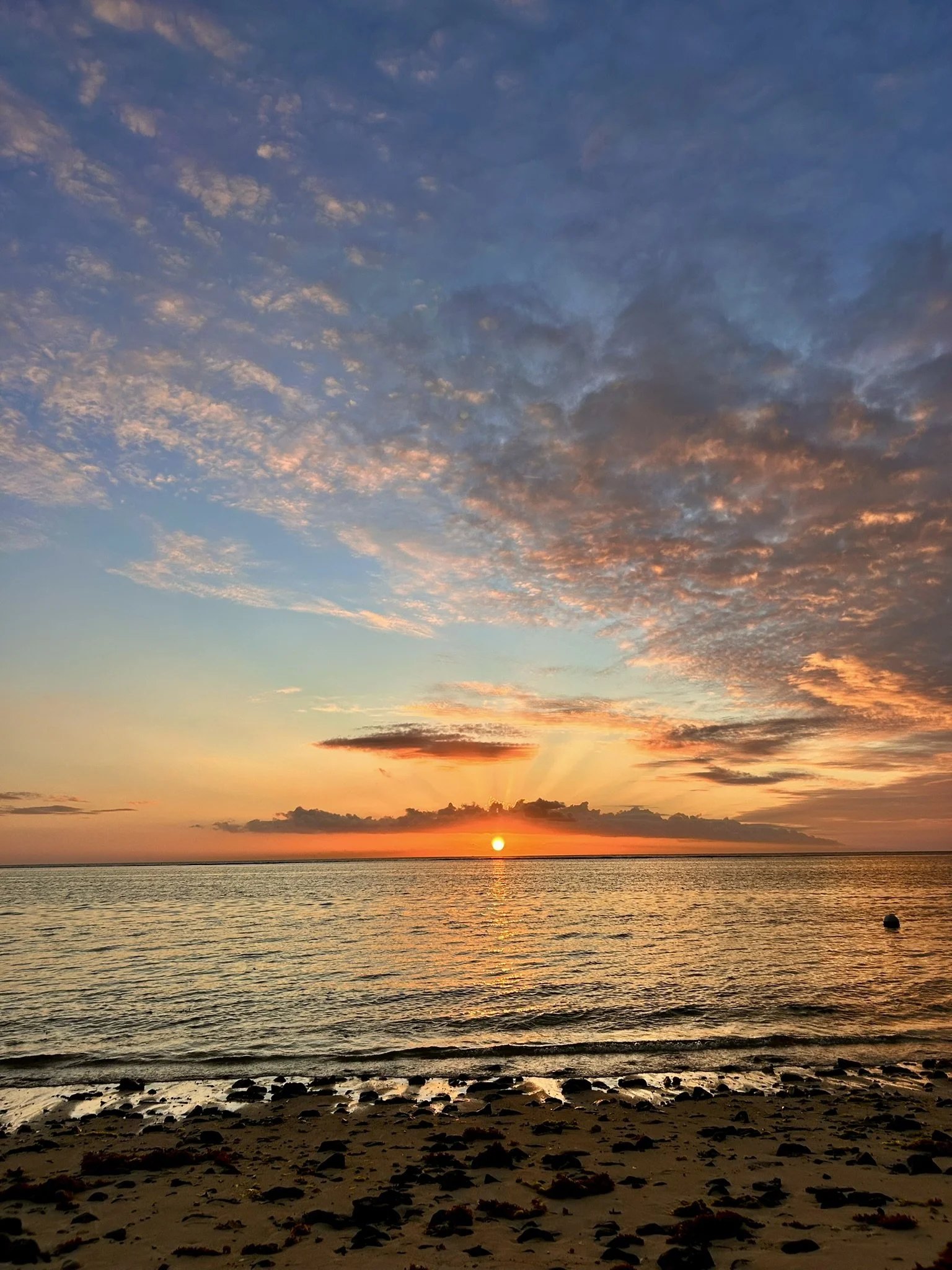
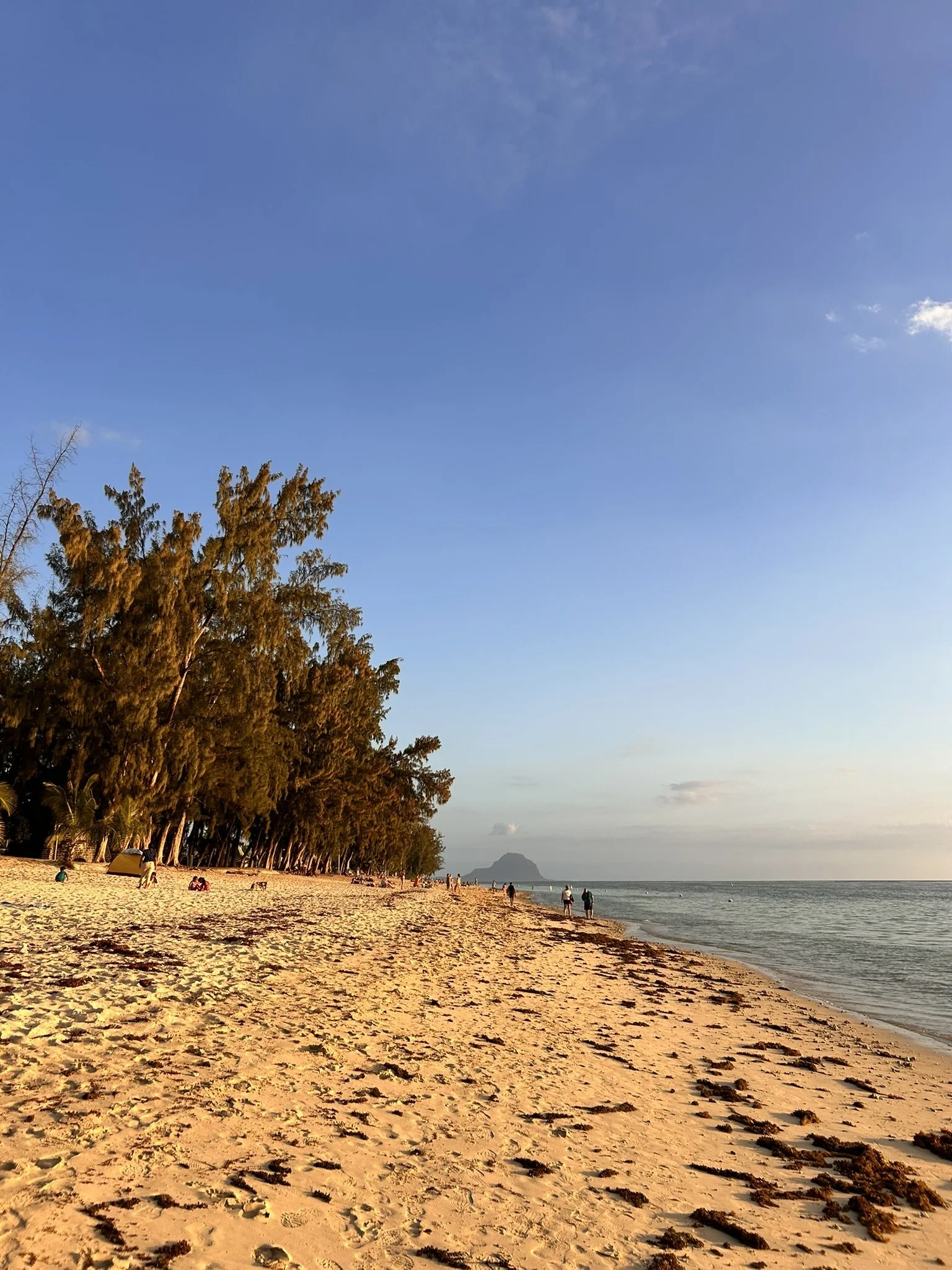
On the island’s west coast, Flic en Flac has grown from a quiet village into a beloved beach town known for soft white sand, calm lagoon waters, and unforgettable sunsets. It’s a perfect base for diving, dolphin watching, and lagoon swimming. But beyond the beach, the town carries strong cultural roots connected to Sega, Mauritius’ traditional dance and musical form.
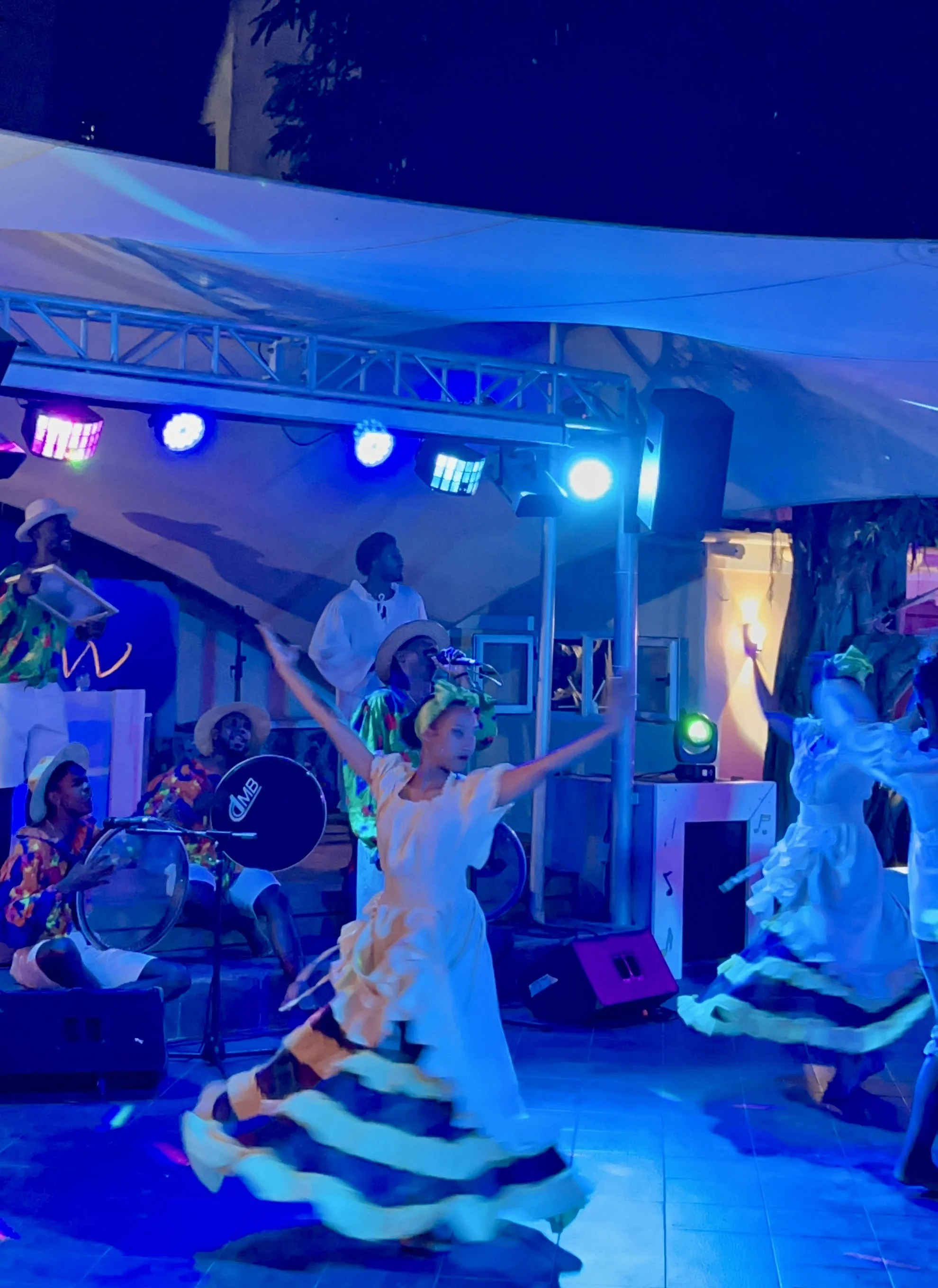
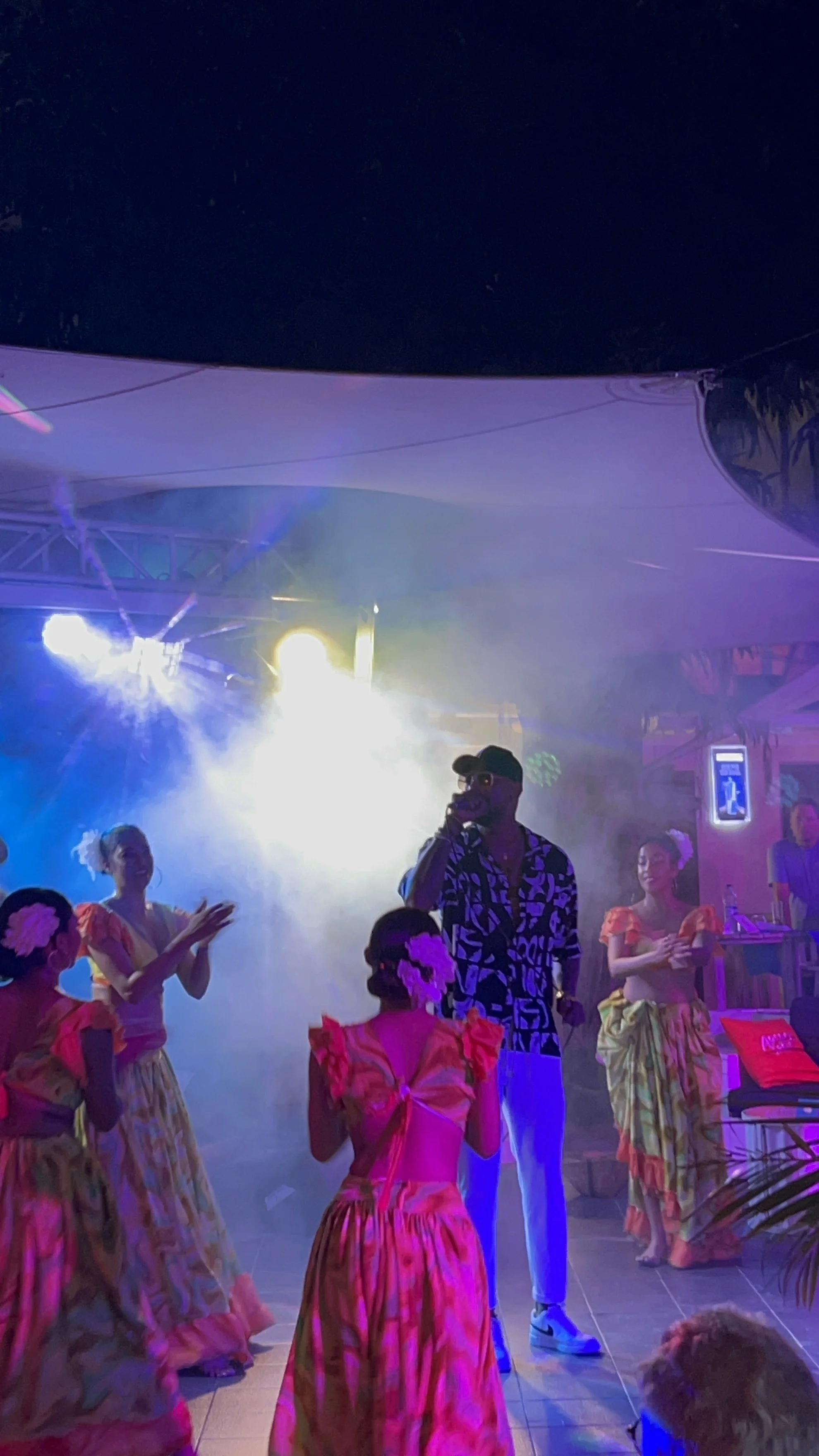
Sega dancing originated among enslaved Africans and later blended with Creole, Malagasy, and Indian cultural influences. Characterized by rhythmic drumming, soulful singing, and graceful hip movements, Sega expresses both joy and historical resilience. Many resorts and beach restaurants in Flic en Flac host live Sega performances, giving travelers a chance to experience one of the island’s most celebrated art forms.
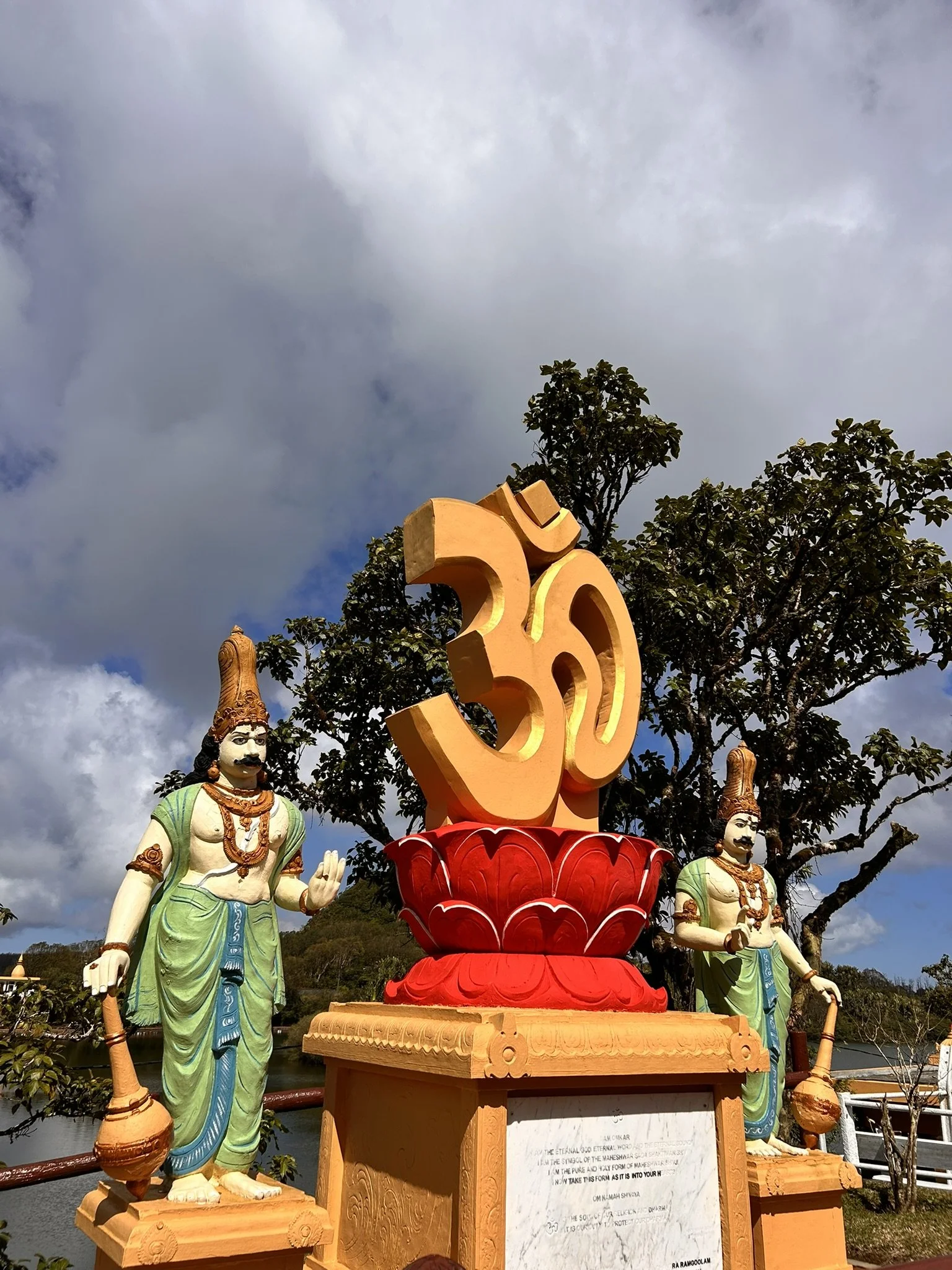
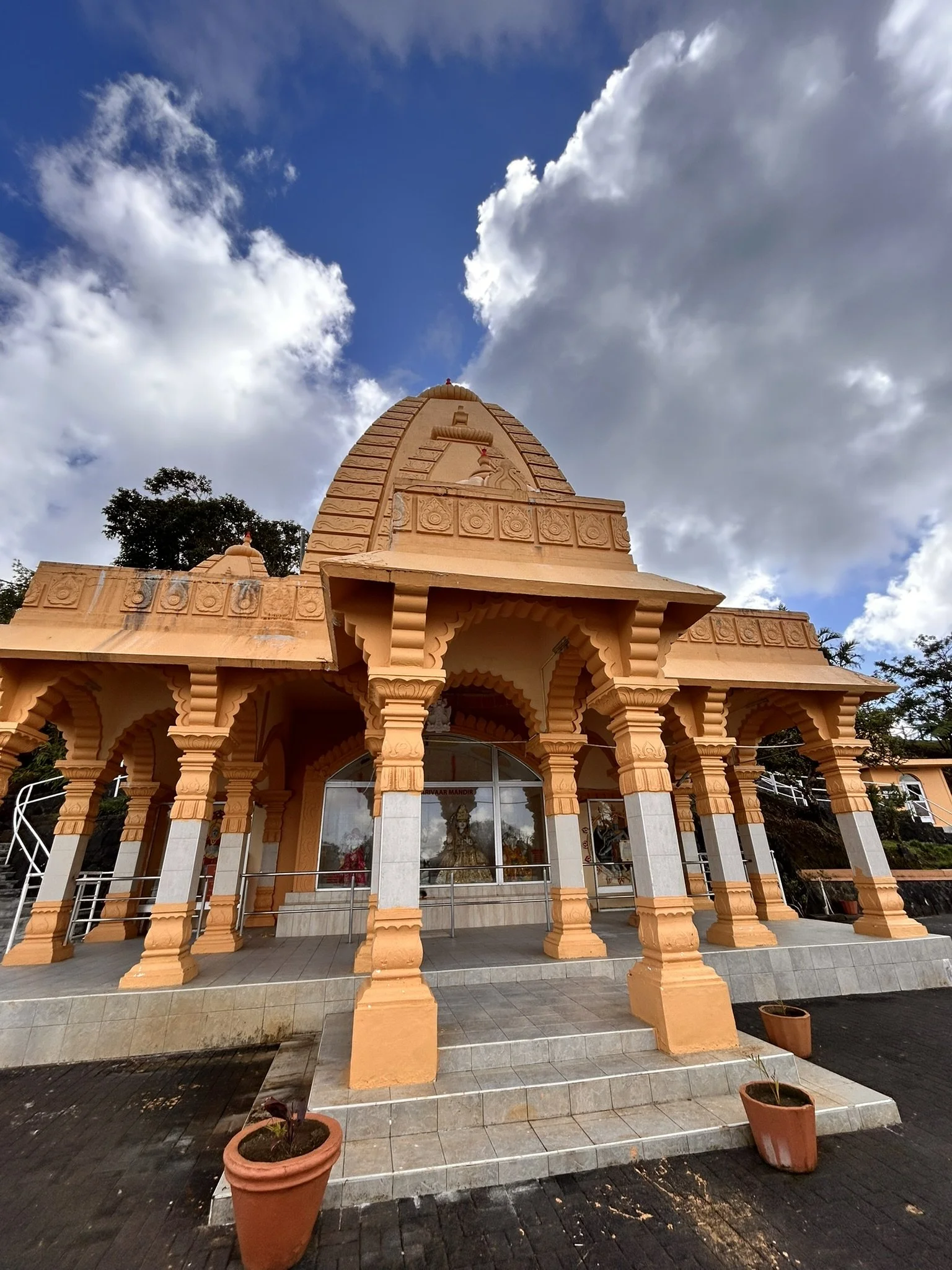
A Spiritual Pilgrimage
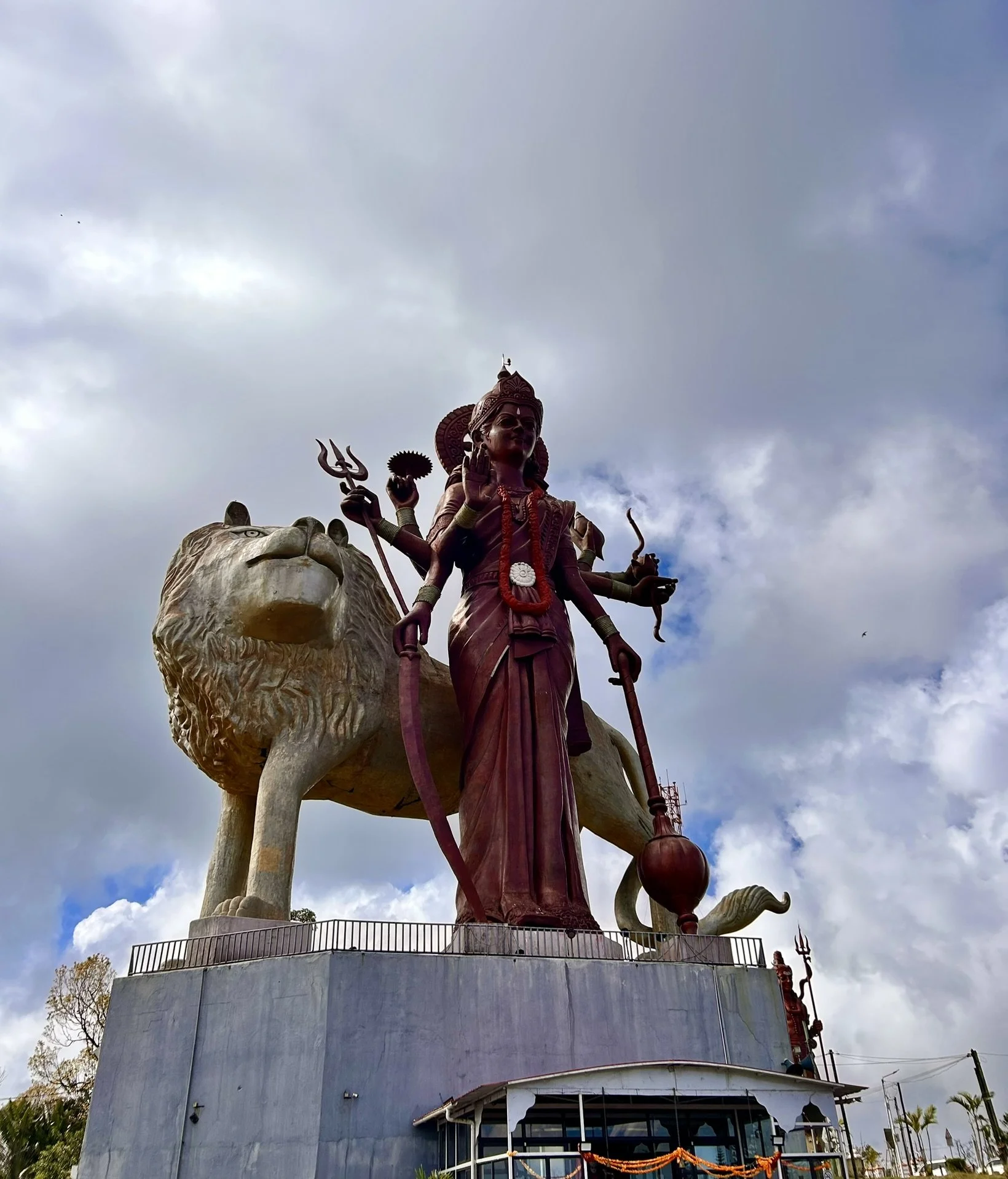
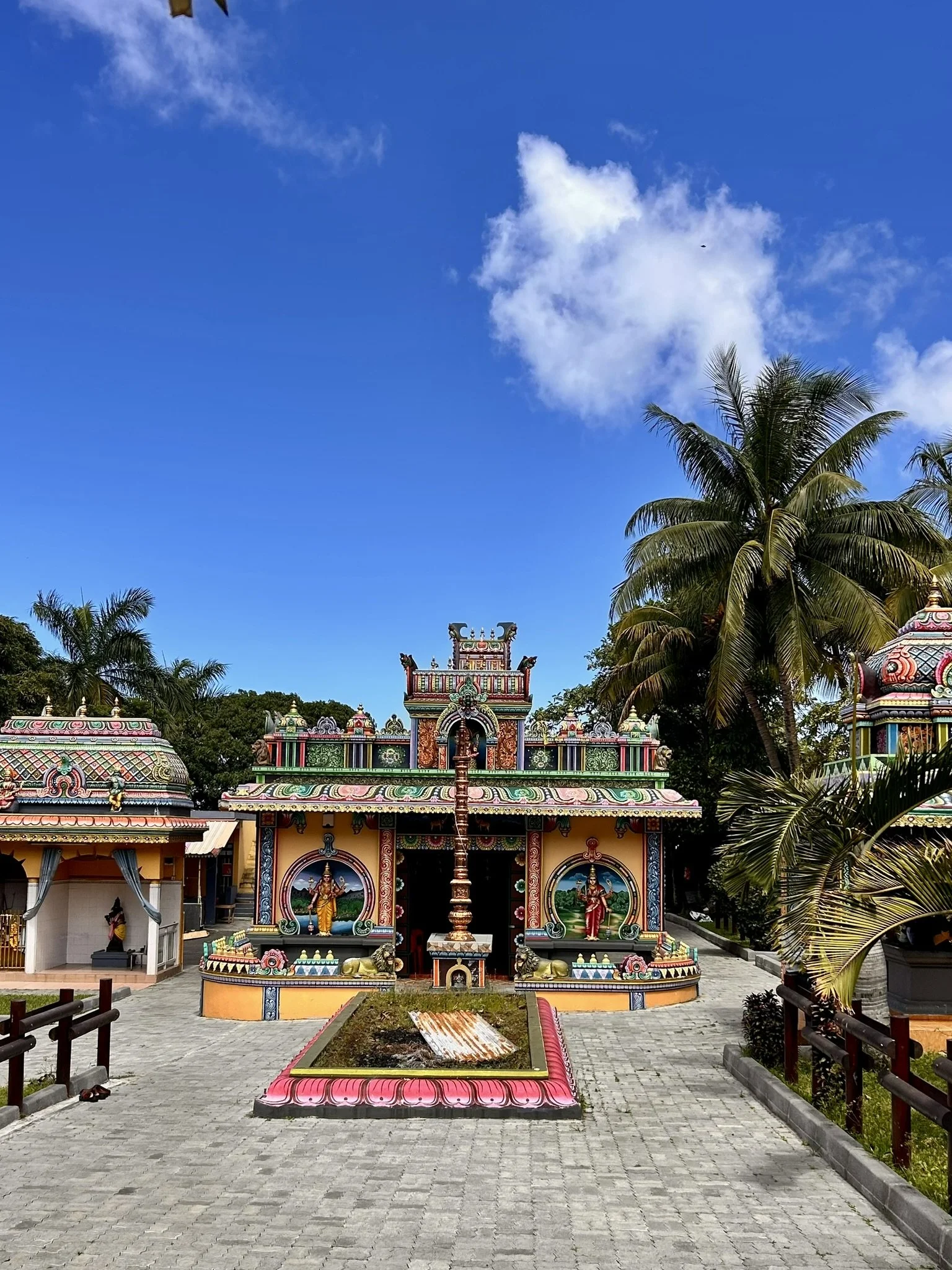
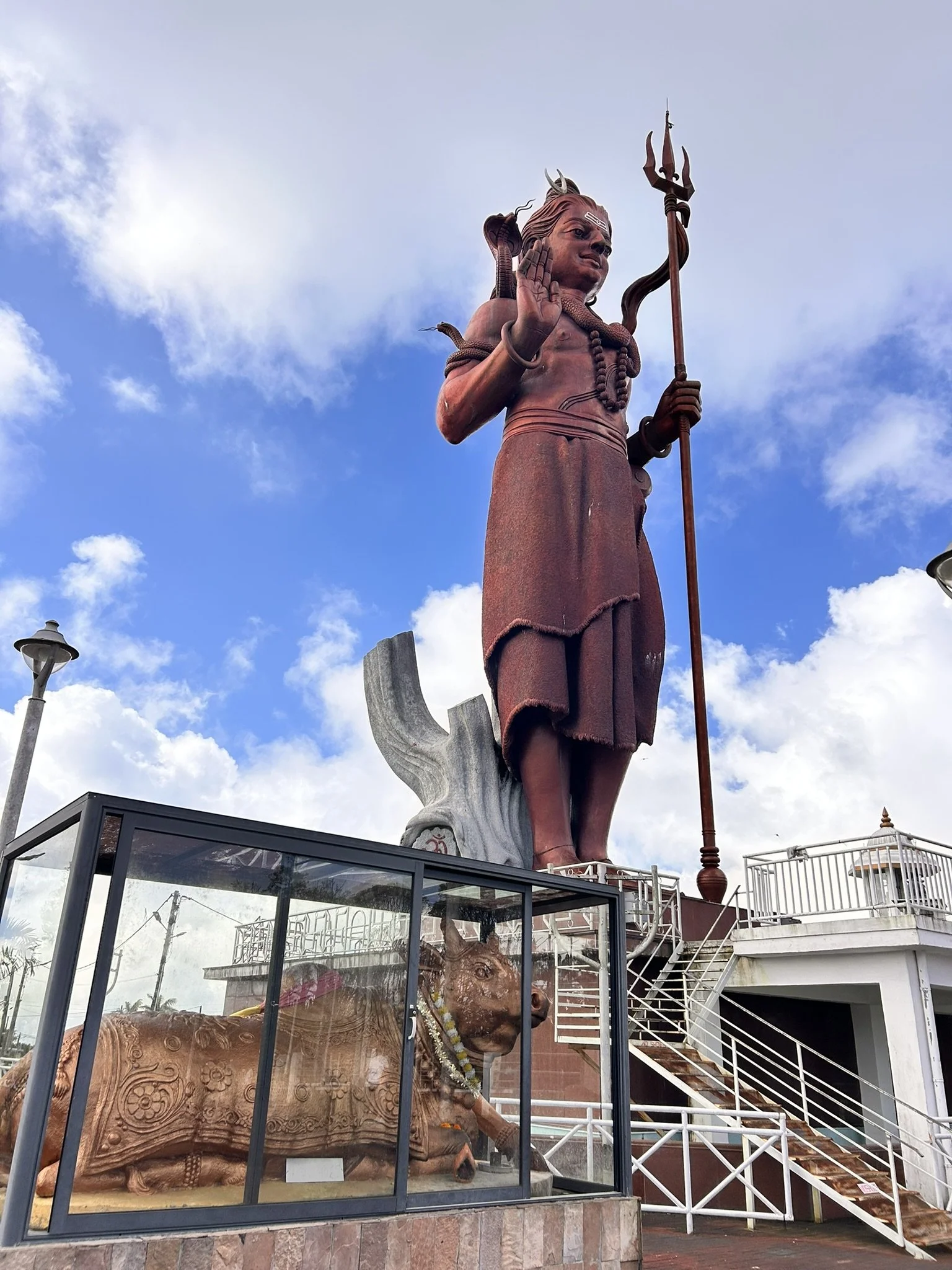
Deep in Mauritius’ lush interior sits Grand Bassin, also known as Ganga Talao, one of the most sacred Hindu sites outside India. Legend says the lake’s waters are linked to the holy Ganges River, and in the late 19th century, Hindu pilgrims began traveling here to perform rituals during the festival of Maha Shivaratri. Over time, it became a major pilgrimage destination, drawing thousands who walk long distances to honor Lord Shiva.
The sanctuary features towering statues, temples, serene shrines, and the reflective crater lake itself—a peaceful place that offers visitors insight into the island’s spiritual heritage. Even for non-worshippers, Grand Bassin is a moving cultural experience, surrounded by forested hills and quiet pathways.
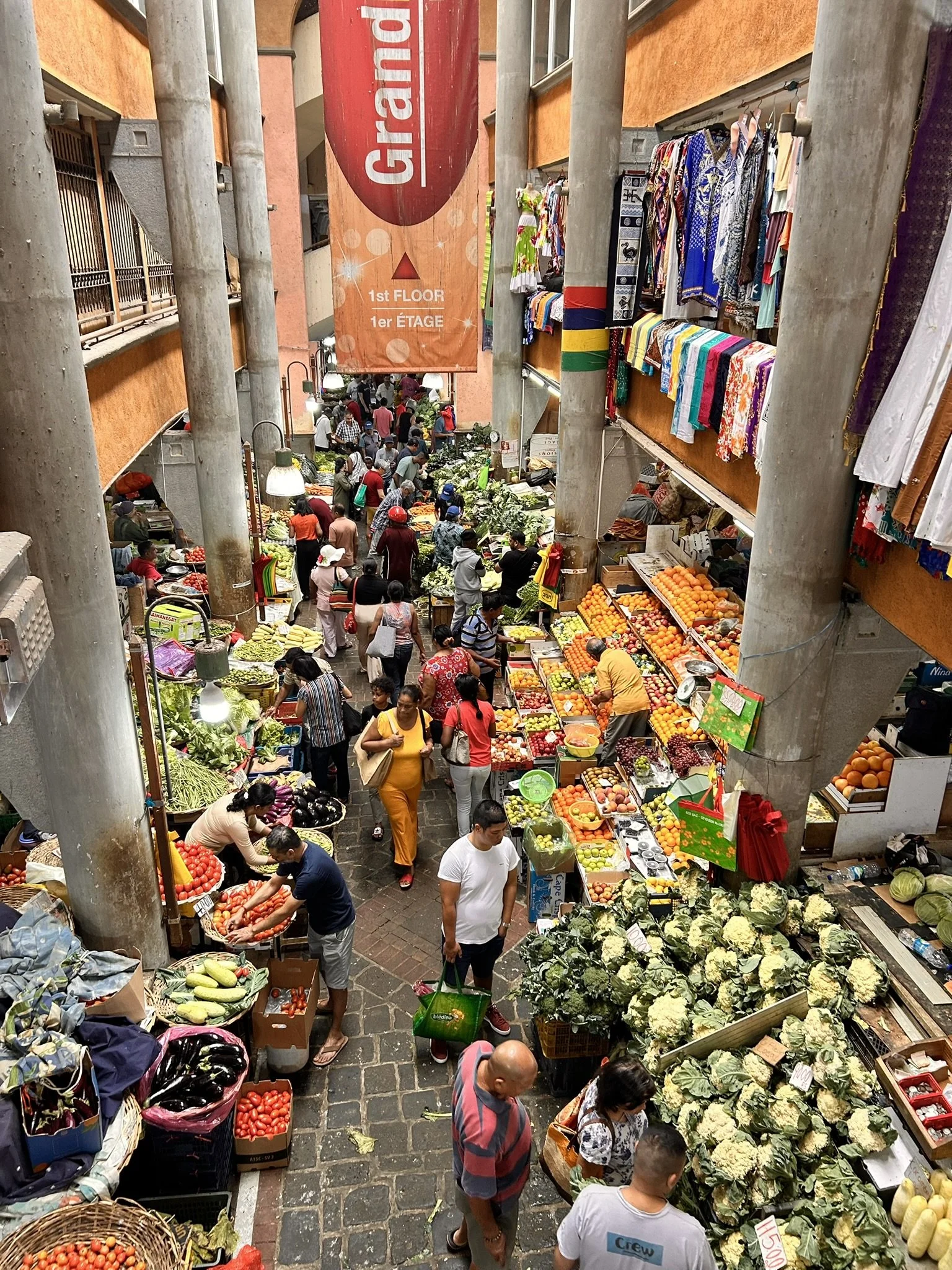
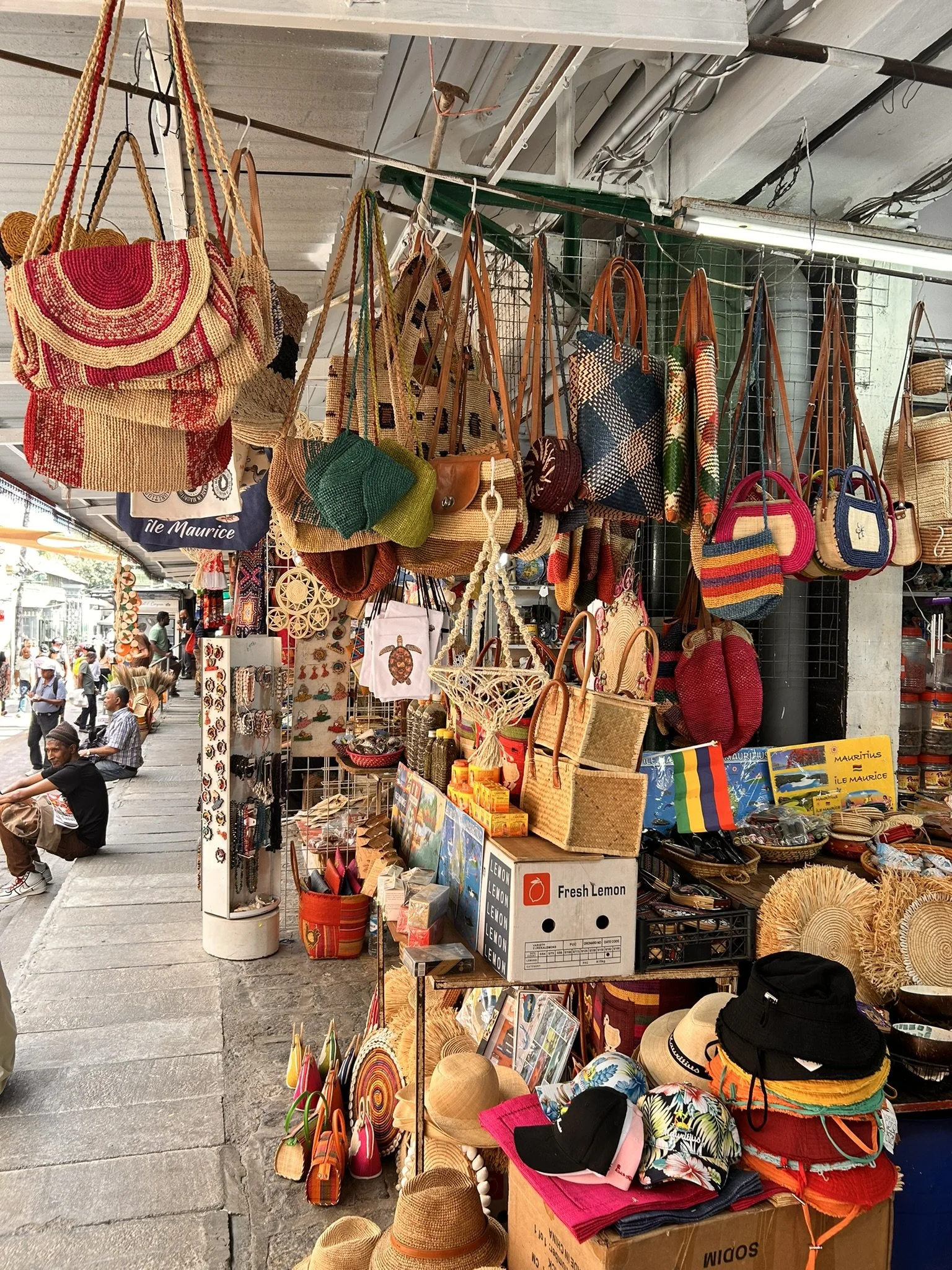
The Port City
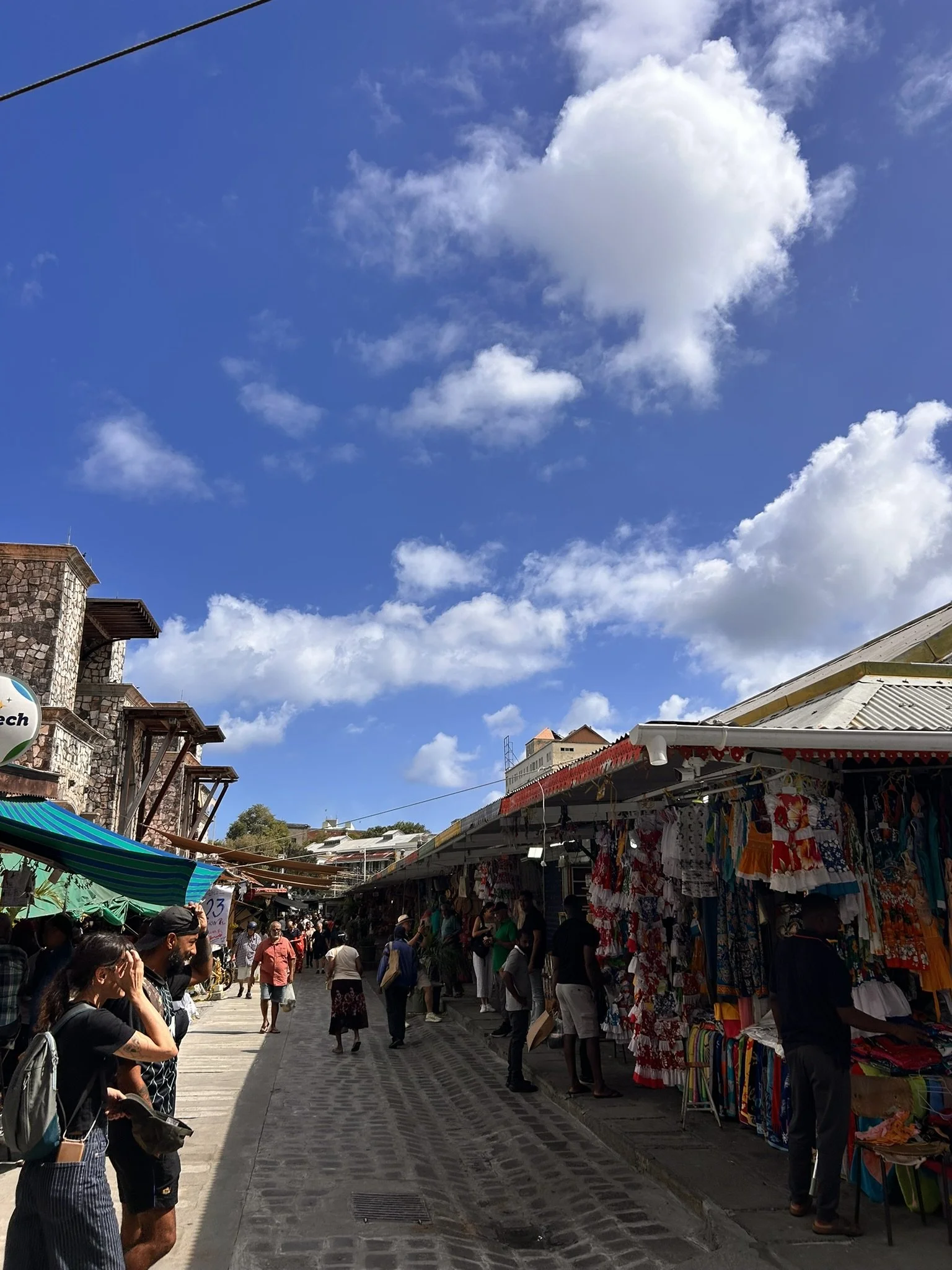
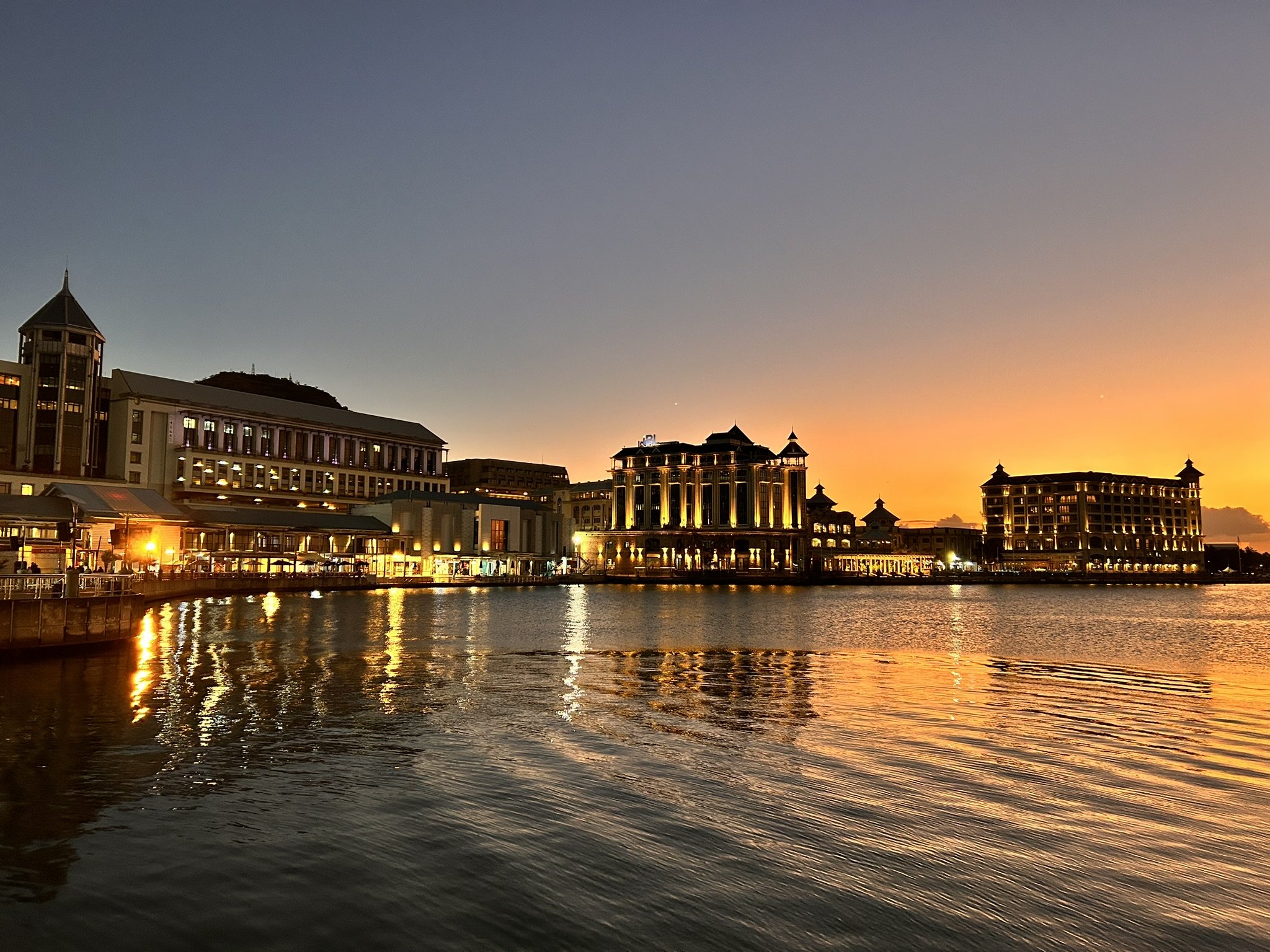
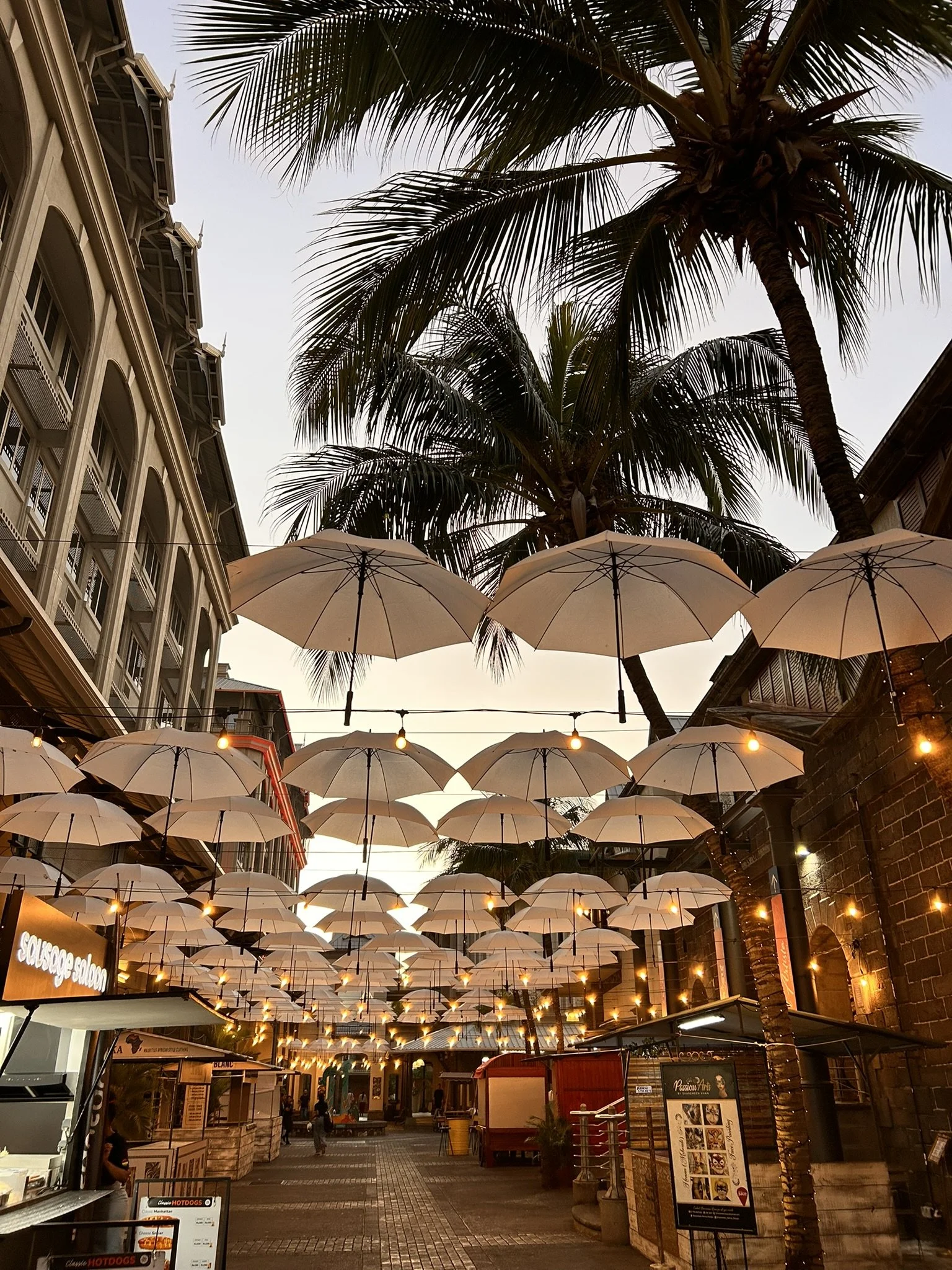
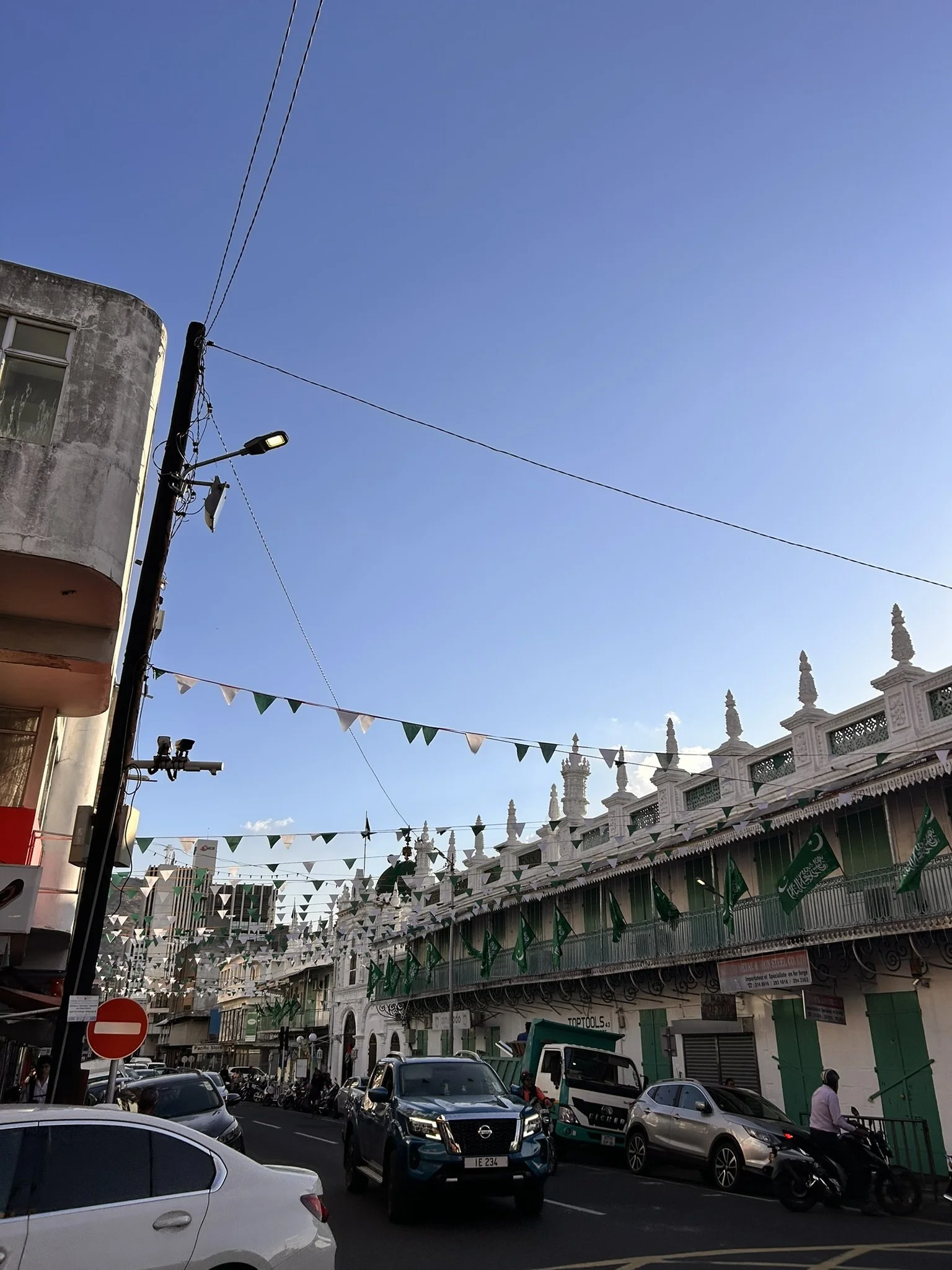
Mauritius’ capital, Port Louis, is a vibrant blend of history, commerce, and multicultural life. Founded in the 18th century, the city quickly became a strategic port for traders crossing the Indian Ocean, serving as an entry point for goods, spices, and influences from Europe, Africa, India, and China. This rich past is visible in the architecture, the waterfront, and especially the lively Central Market, where local produce, street food, handicrafts, and spices fill the air with color and fragrance.
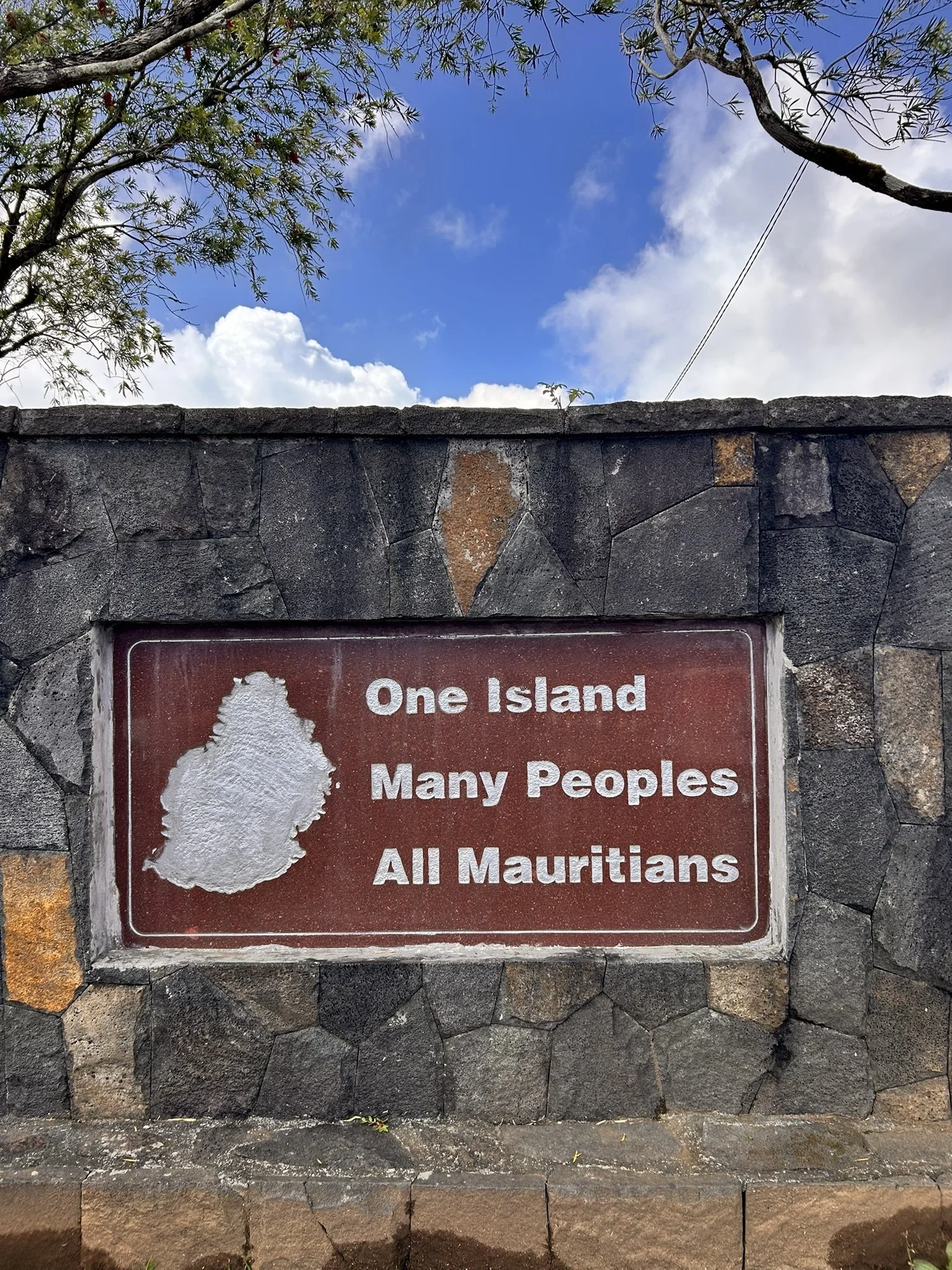
One of Port Louis’ most remarkable traits is the way cultures coexist harmoniously. Here, mosques stand near Chinese pagodas, Hindu temples, and Catholic churches, all reflecting the island’s long history of cultural blending. Travelers can stroll from the Caudan Waterfront to the market, experiencing the peaceful multicultural rhythm that defines Mauritius.
Safety Tip! Mauritius follows left-side driving, similar to the UK and Australia. Visitors renting a car should take time to adjust, especially at roundabouts and when turning across traffic. Roads can be narrow, winding, and shared with pedestrians, scooters, and buses. It’s best to drive cautiously, avoid speeding, and use GPS navigation to stay oriented. With a bit of patience, self-driving becomes an enjoyable way to explore the island’s diverse landscapes.
The Islands
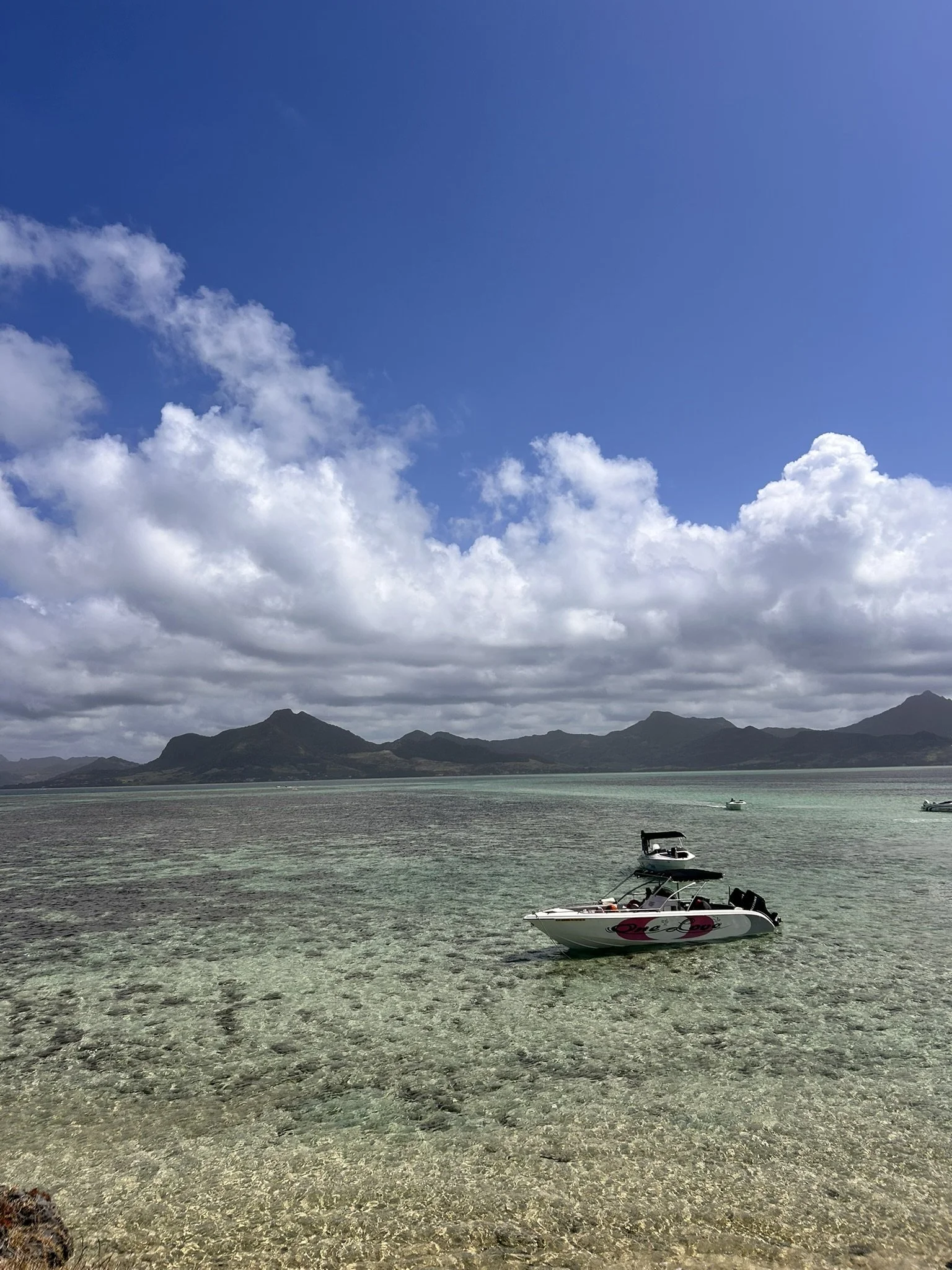
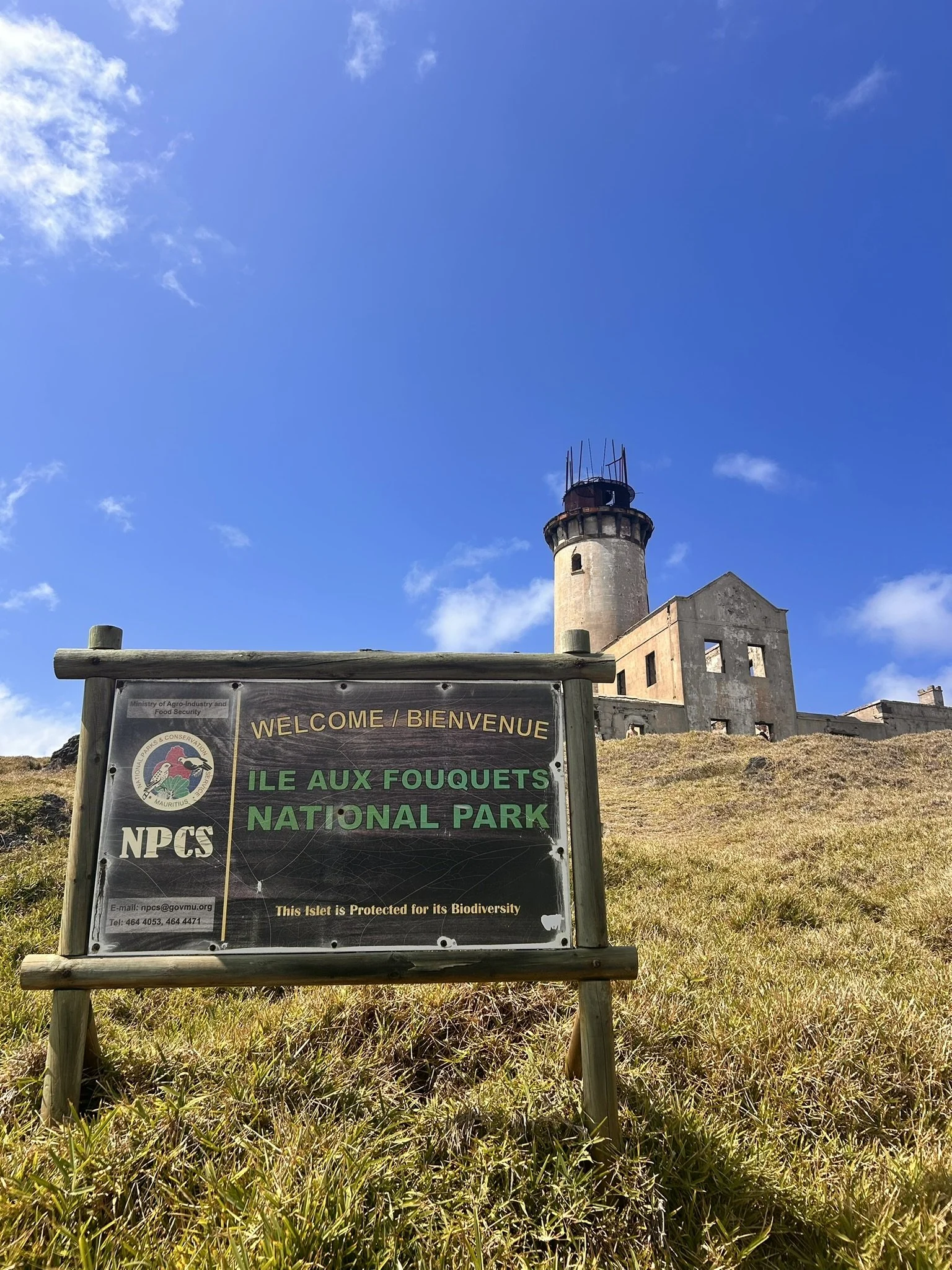
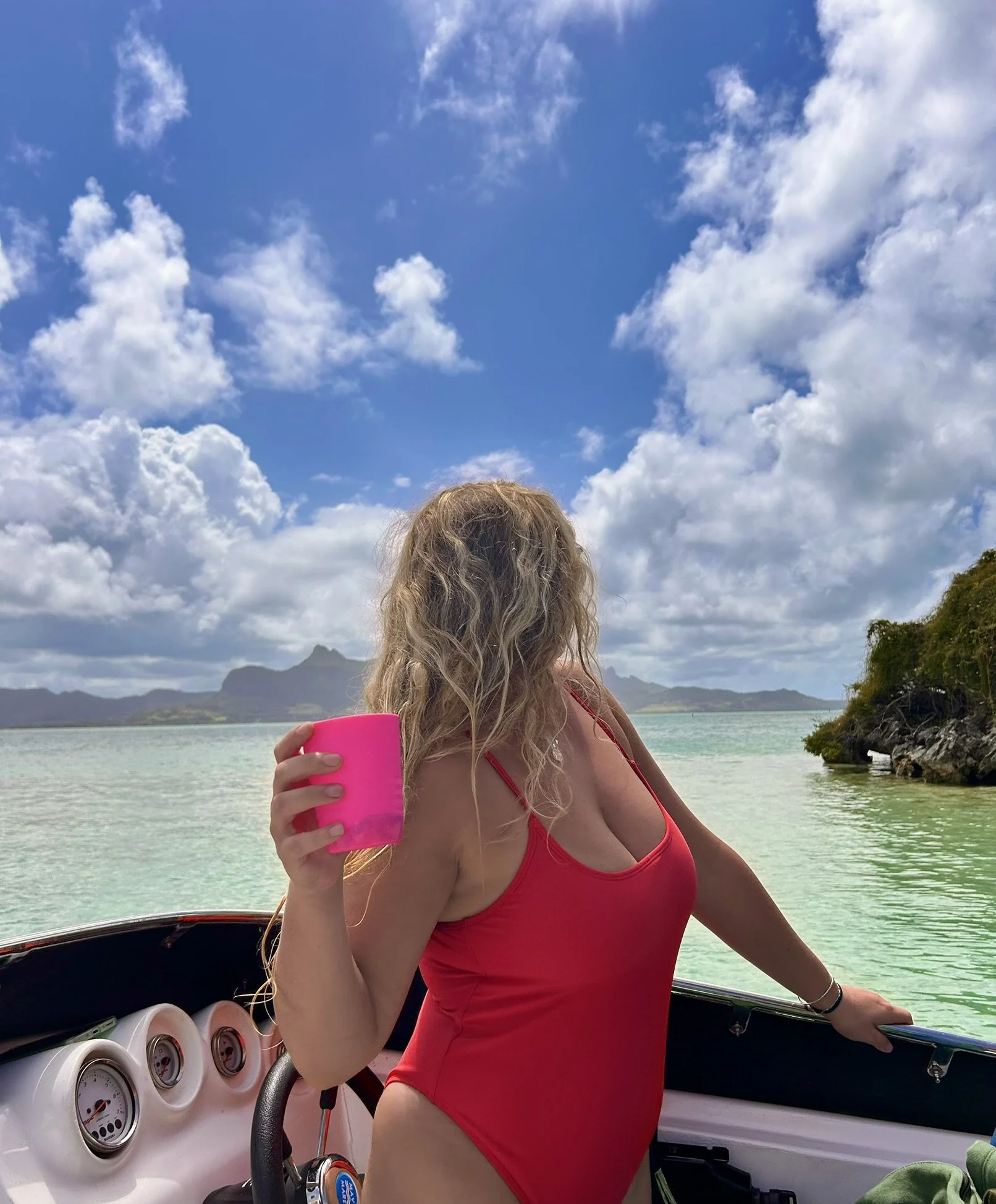
The charming east-coast village of Trou d’Eau Douce is best known as a gateway to Mauritius’ cluster of small islets. Among these are the so-called “Five Islands”, which include Île aux Cerfs, Île de l’Est, Île aux Vacoas, Île aux Oiseaux, and Île aux Fouquets—each offering pristine beaches, lagoon activities, or nature-filled quiet. Most visitors take boat trips from the village to explore the islets' lagoons and reefs.
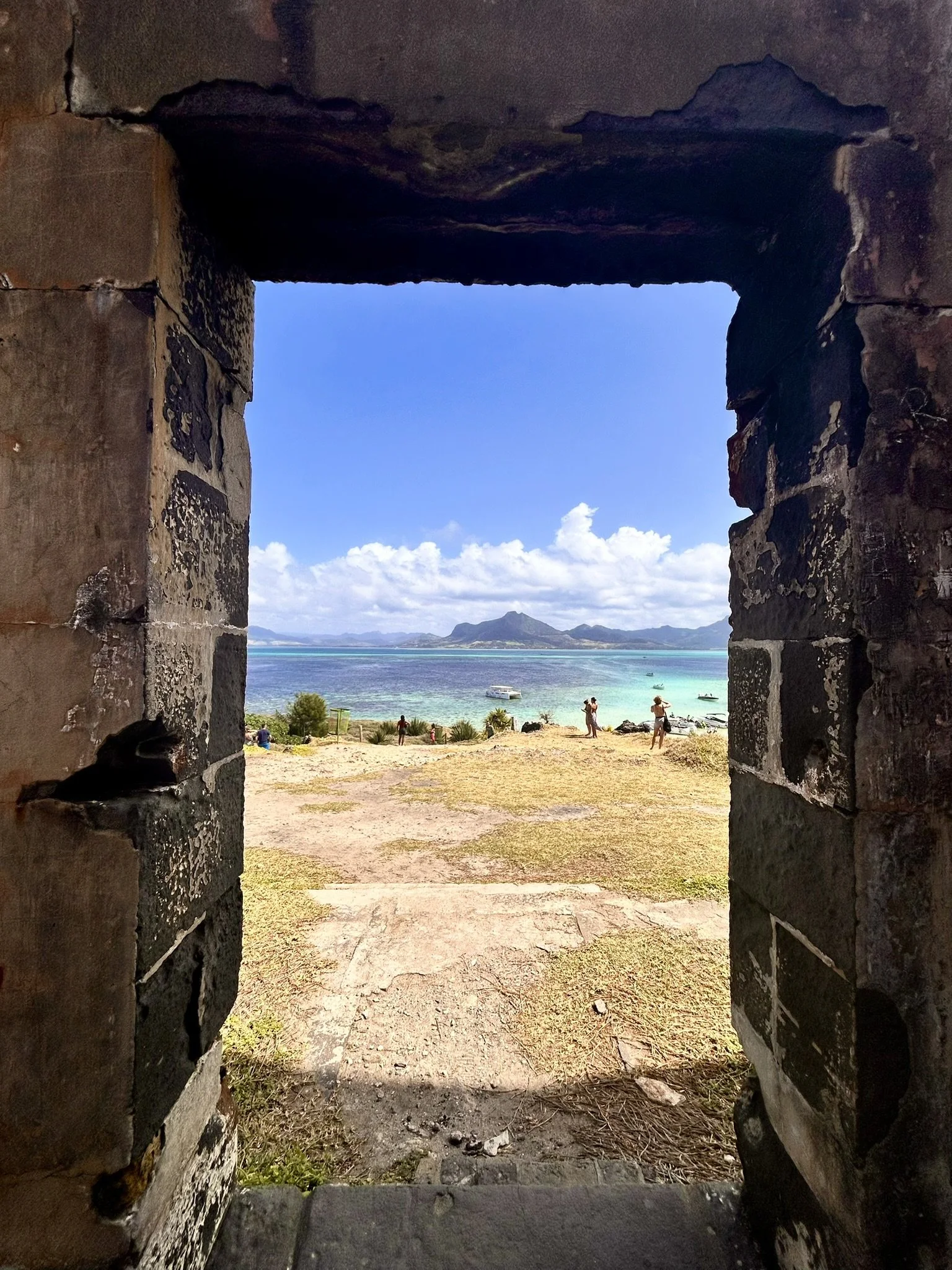
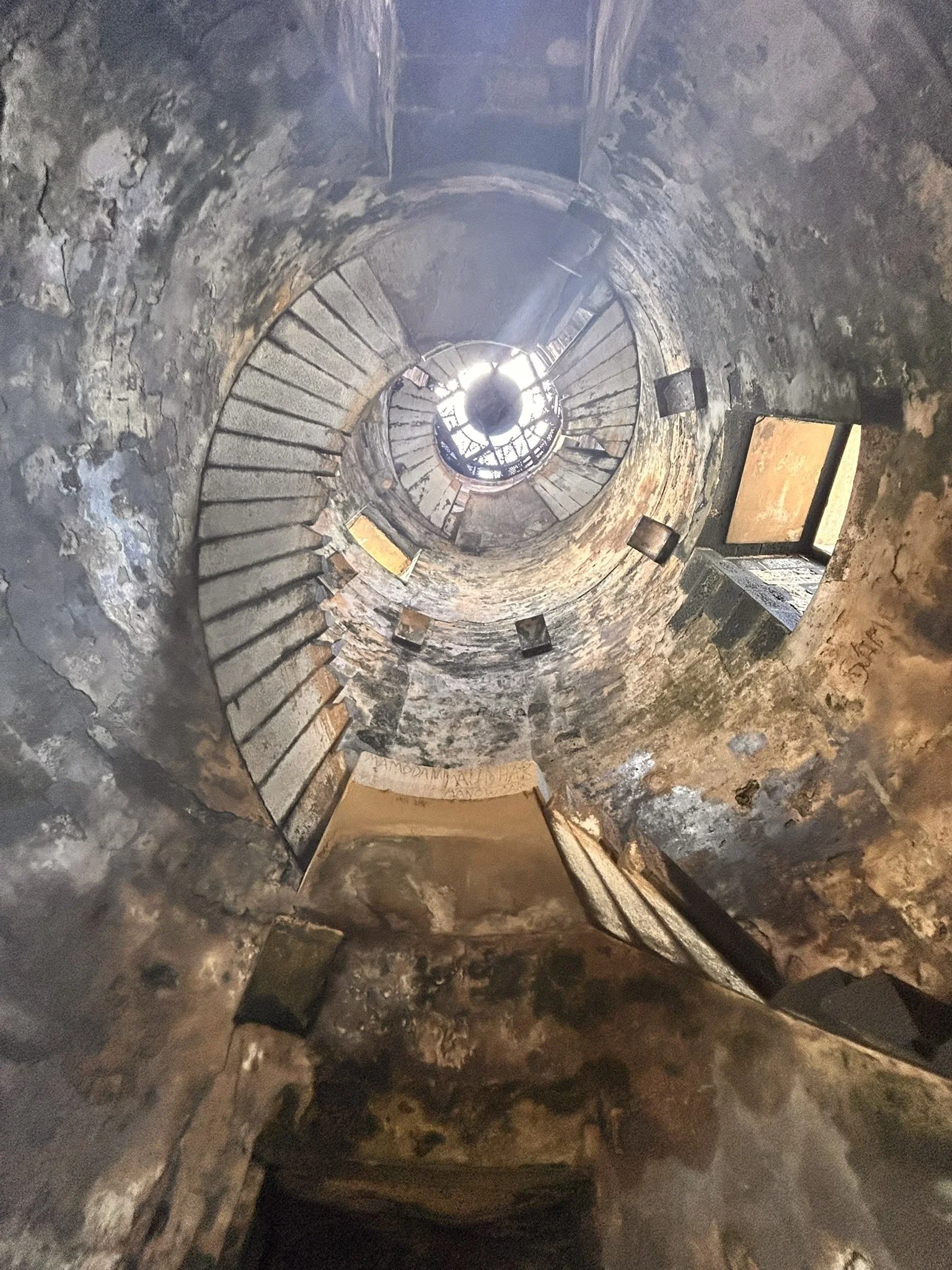
Nearby lies the Fouquets Lighthouse, part of the Lighthouse National Historical Park, a dramatic remnant of maritime history set against rugged volcanic cliffs. Exploring this lighthouse and its surrounding island gives visitors a sense of the challenges faced by sailors navigating Mauritius’ coral reefs centuries ago.